Stones & Society
Stones
Diamonds, colored diamonds, emeralds, rubies, sapphires, spinels, pearls and the gemological knowledge behind them.
Stones
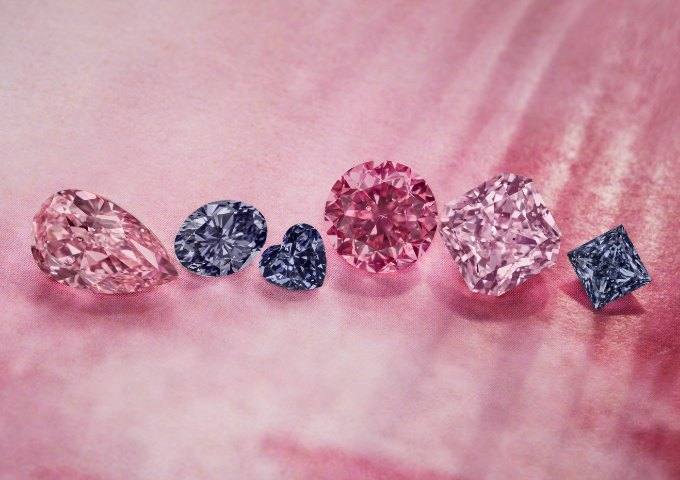
The Last Argyle Pinks Have a New Keeper: Boodles
Rio Tinto has sold its remaining Argyle pink diamond inventory, and the Argyle Pink Diamonds brand itself, to the British jeweller Boodles. The mine closed in 2020; the stones that are left will now be released slowly, over about a decade, starting with a high jewellery collection in 2027.
Stones
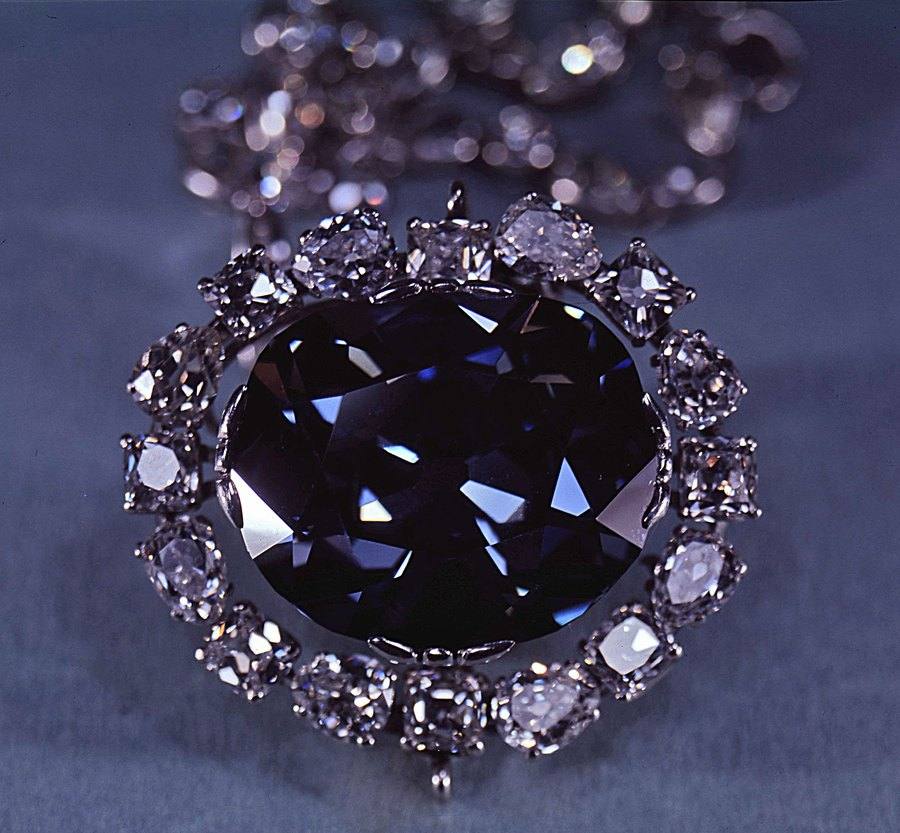
The Hope Diamond: 45.52 Carats of Boron Blue
The most famous diamond in the world has been at the Smithsonian since Harry Winston donated it in 1958. Its blue comes from boron, its setting history runs through Cartier, and its paper trail starts with Tavernier in the seventeenth century.
Stones
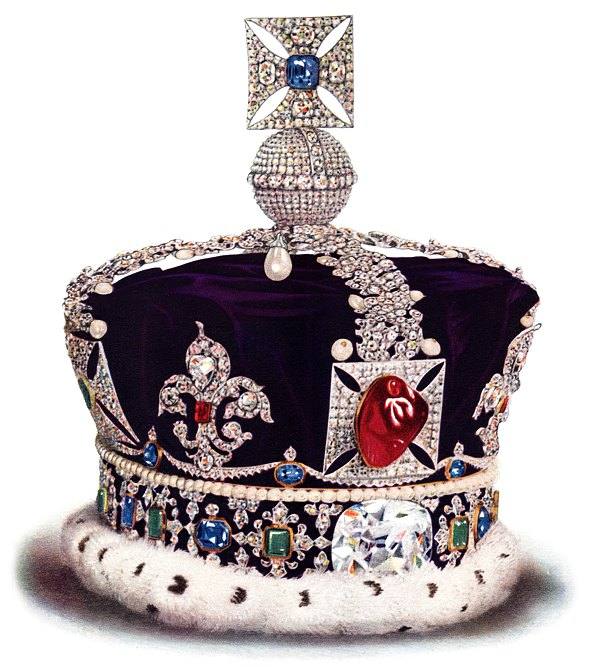
The Black Prince's 'Ruby': The 170-Carat Spinel That Isn't a Ruby
It sits in the frontal cross of the Imperial State Crown, and it is not a ruby at all but a 170-carat red spinel. The legends of 1367 and Agincourt are reported history; the mineralogy is certain.
Stones
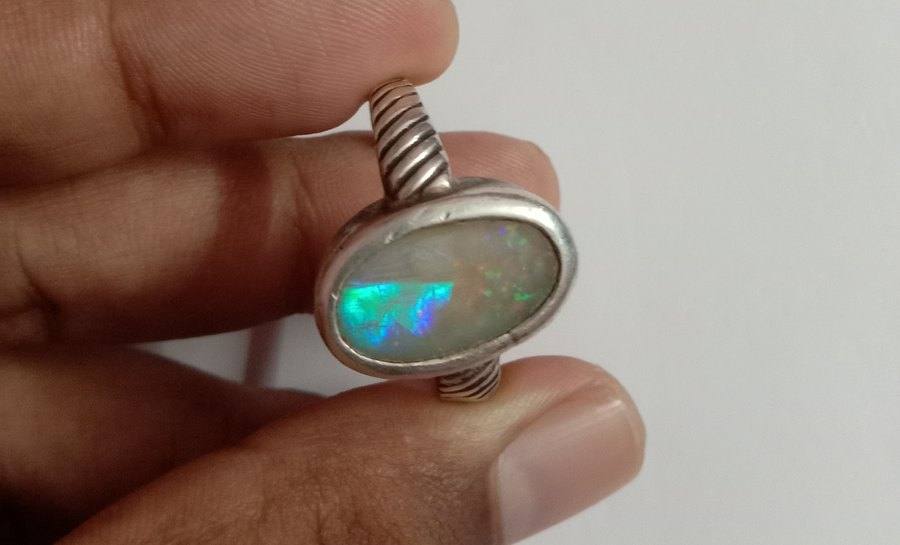
Lightning Ridge, Coober Pedy, Queensland: Reading Australian Opal by Field
Australia produces the world's great opals, and each field has a signature: Lightning Ridge for black opal, Queensland for boulder opal, Coober Pedy for white opal. The GIA's field guides are the starting point.
Stones
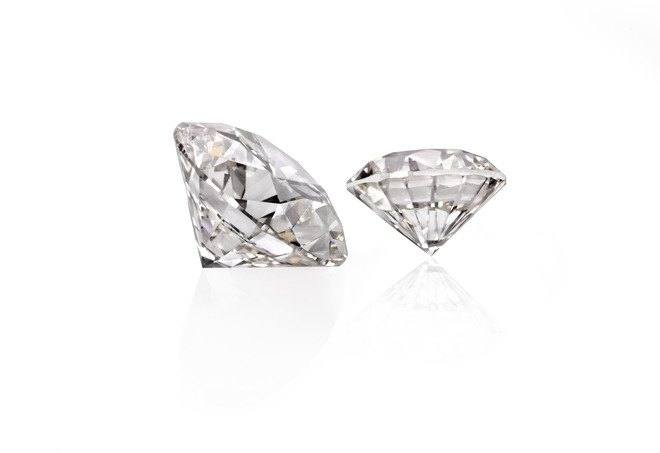
Grown, Not Mined: Lab Diamonds and the New Price of Brilliance
Laboratory-grown diamonds now sit in a majority of new American engagement rings while costing a fraction of natural stones, and GIA has stopped describing them with natural grading language. The science of separation, the shifting report vocabulary, and the 2026 price reality.
Stones
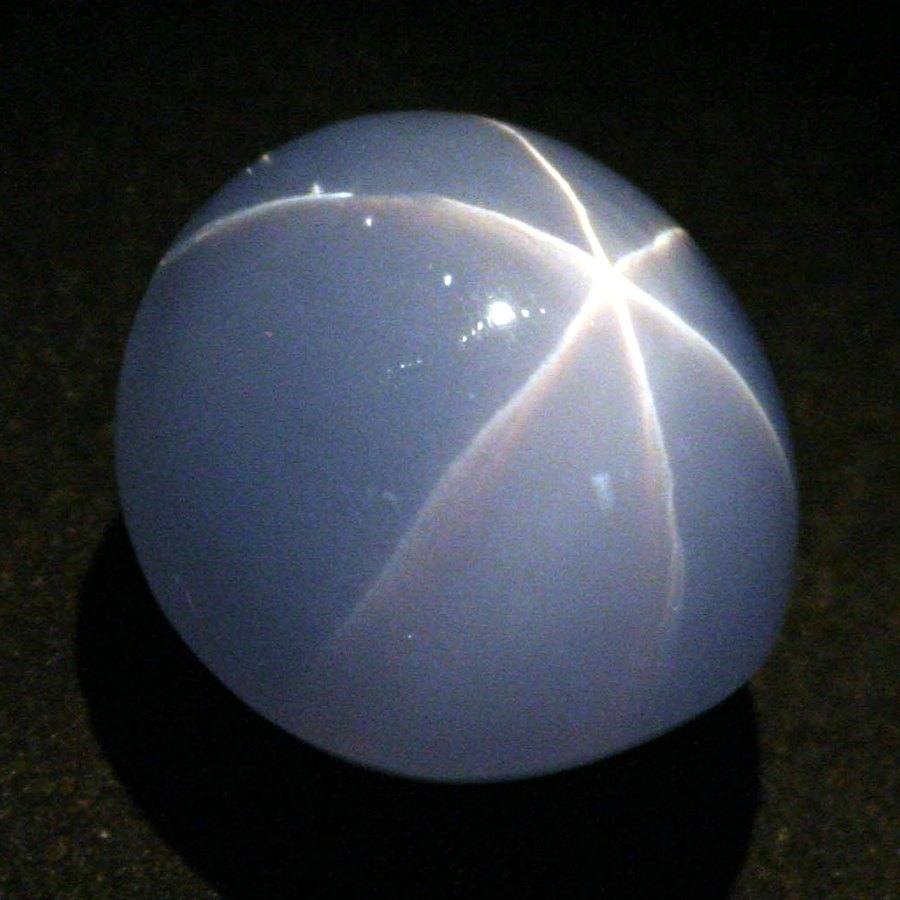
The Origin Detectives: How Science Reads a Sapphire's Birthplace
A Kashmir pedigree can multiply a sapphire's price beyond what beauty explains. Inside the laboratories, origin is an opinion built from inclusions, spectra and chemistry, and the science stops short of certainty.