Boucheron in Focus: 168 Years, Four Ideas, One Room in New York
At Christie's Rockefeller Center galleries until 18 October, Boucheron sets out its whole history as an argument: more than 80 creations from 1858 to today, arranged not by year but by the four ideas that have always organised the maison, couture, nature, architecture and innovation.

An auction house is hosting a monograph. Until 18 October, the Christie's galleries at Rockefeller Center hold “Boucheron: In Focus, A Monograph of a Visionary”, an exhibition of more than 80 Boucheron creations spanning the maison's history from its founding in 1858 to the present day. What is on offer is a thesis about how a jewellery house thinks, and the thesis is structural: the exhibition abandons chronology and organises nearly 170 years of work around four themes that recur across the whole period, couture, nature, architecture and innovation.
Four ideas, tested against 168 years of evidence, is a more honest account of a maison than any timeline on a wall.
Four ideas, held for 168 years
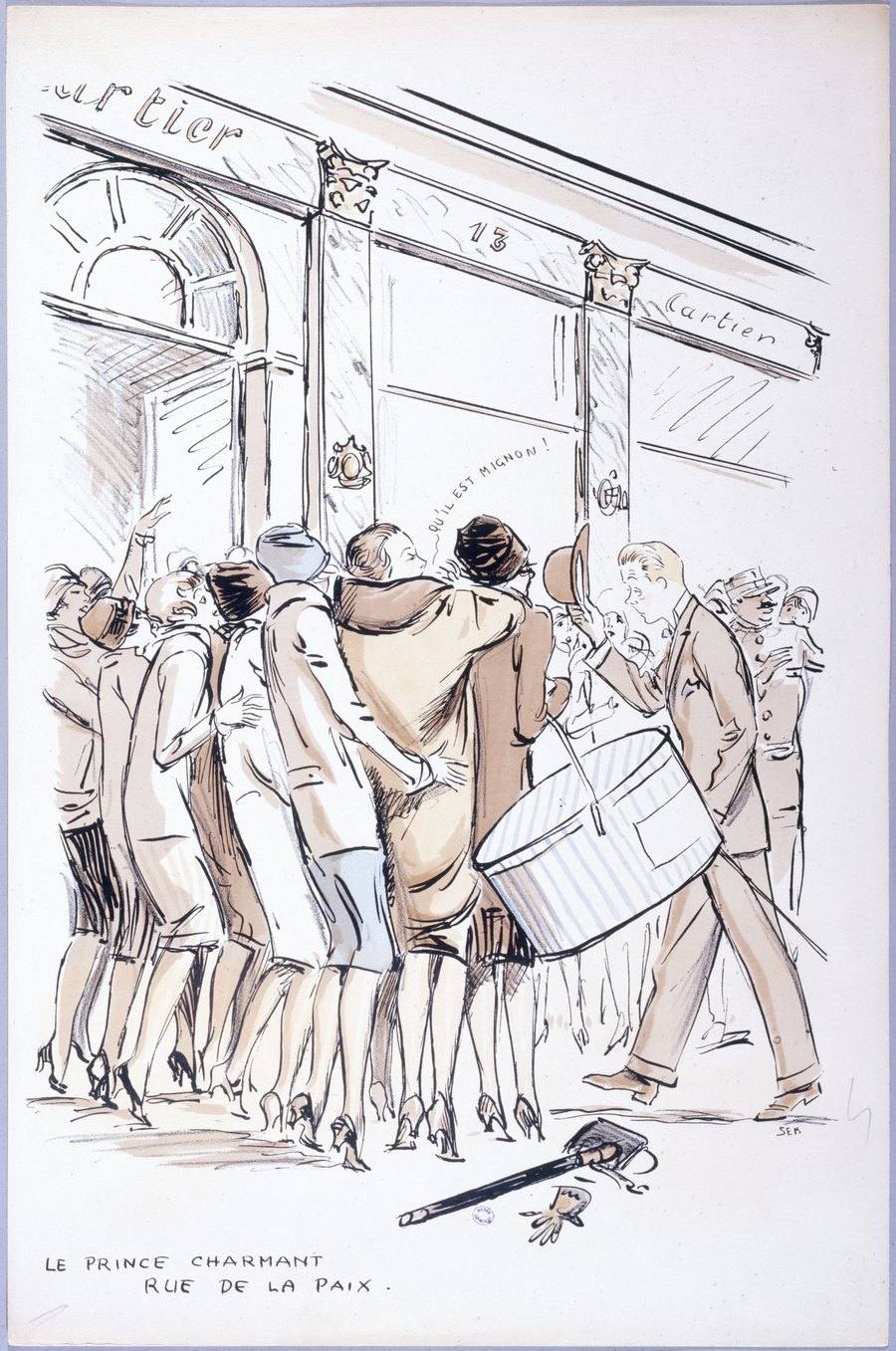
The couture theme starts with the founder himself. Frédéric Boucheron was the son of a draper, and the exhibition traces how an upbringing around fabric became a jeweller's understanding of movement: how a piece sits on the body, how it flexes, how it closes. Nature, in the Boucheron reading, is not the polished pastoral of much high jewellery but a less tidy natural world of leaves, shells and living forms. Architecture leads to Place Vendôme, where Boucheron became the first of the great contemporary jewellers to open a boutique in 1893. Innovation, the fourth theme, covers the house's long habit of experimenting with how jewellery is constructed, not only how it is decorated.
The necklace that asks a question
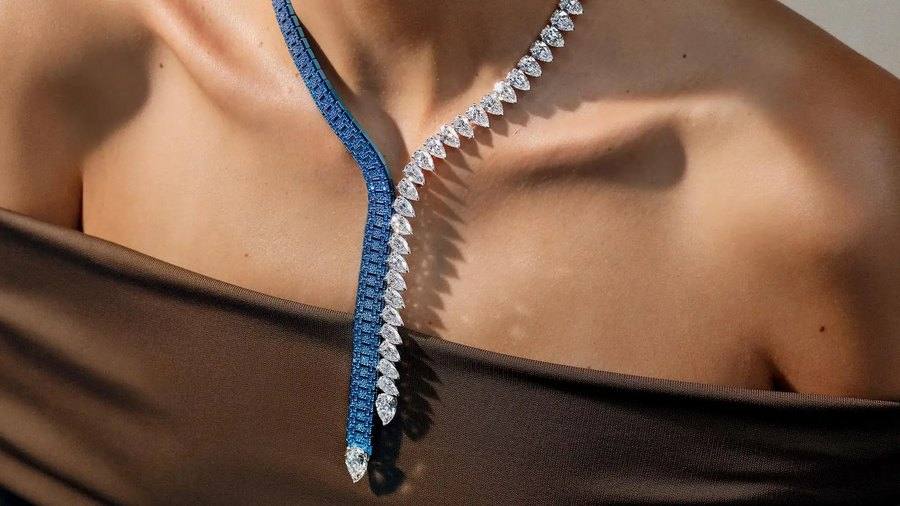
The single object that best carries the exhibition's argument is also one of its oldest ideas. The Point d'Interrogation necklace, first designed in 1879, did away with the traditional clasp entirely, closing instead by a hidden leaf-spring system that lets the jewel curve around the neck. It is a couture solution and an innovation at once, which is precisely the point the four-theme hang is making: at Boucheron the categories were never separate departments. Creative director Claire Choisne has revisited the design for the maison's 2026 Histoire de Style collection, setting eight diamonds in different cuts along its asymmetric line, and the new version hangs in New York as evidence that the 1879 idea is still load-bearing.
The presentation underlines the body-first thinking. The jewels are shown on bespoke mannequins created specifically for the exhibition, a fitting choice for a house whose best-known historic designs were engineered around the wearer rather than the display case. Historic pieces and contemporary creations are hung side by side inside each theme, so a visitor reads the argument before reading the dates.
Human Being makes its American debut
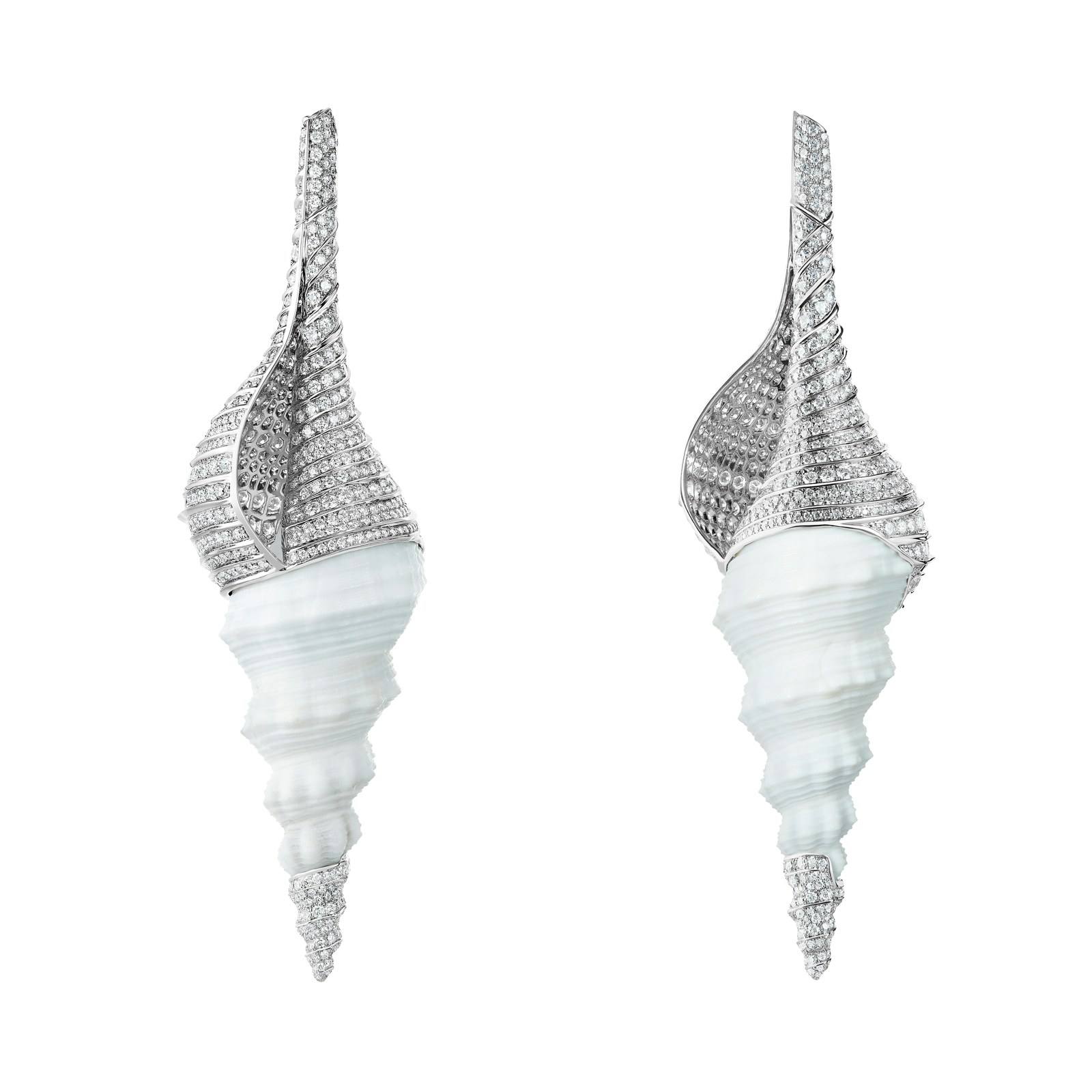
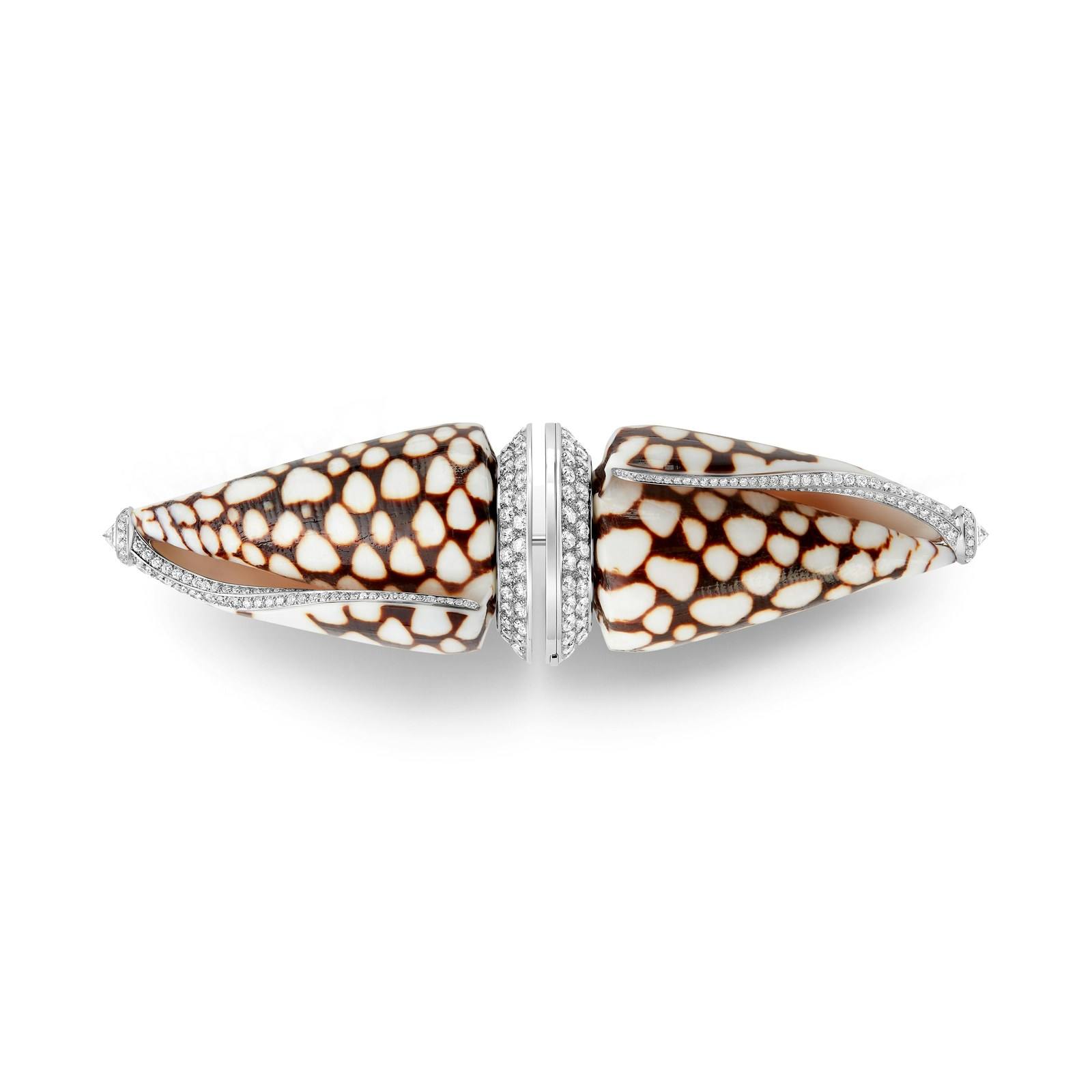
The contemporary pole of the exhibition is the American debut of Human Being, the 2026 Carte Blanche high jewellery collection conceived by Claire Choisne and first unveiled in Paris in July. Carte Blanche is the maison's annual licence to experiment, and placing its newest edition inside a 168-year retrospective is a confident move: the collection is asked to survive direct comparison with the archive, in the same room, under the same four headings. That the maison chose an auction house's galleries for the encounter is its own statement about where jewellery culture now happens. Christie's provides the room, the footfall and the connotation of the saleroom; Boucheron provides the objects and the argument; neither is selling the other anything this month.
What the hang argues
There is a quiet provocation in the arrangement. A chronological hang flatters a house: it turns survival into achievement and lets the recent work inherit the prestige of the old. A thematic hang is a sterner test. It asks whether the 2026 work genuinely answers the same questions the 1879 work posed, about how a jewel closes, how it moves, how much of its effect comes from the body and how much from the stone. Boucheron's willingness to be judged that way, in a competitor-neutral room in New York rather than in its own boutique, reads as confidence in the continuity of the design studio across a change of creative generations. It also reflects how the audience for high jewellery now learns: through exhibitions that travel, themes that can be grasped in a single visit, and houses willing to lend their archives to an argument instead of a vitrine of greatest hits. The mannequins, the four headings and the refusal to sell anything in the room all serve the same end. The exhibition is the maison presenting its credentials to a city that hosts its rivals, and doing so on ideas rather than on carat weight.
For readers, the practical facts are simple. The exhibition opened on 9 October at Christie's Rockefeller Center galleries in New York and runs through 18 October, a short window for a long history. Go for the structure as much as the stones: four ideas, tested against 168 years of evidence, is a more honest account of a maison than any timeline on a wall.